

2026-08-14
High bay LED lights are specialized lighting fixtures designed for use in spaces with high ceilings, typically ranging from 15 to 25 feet. These lights are commonly found in warehouses, manufacturing facilities, gymnasiums, and large retail spaces. They are favored for their energy efficiency, longevity, and ability to provide bright illumination over large areas.
The lifespan of lighting fixtures plays a crucial role in making informed choices about lighting systems, particularly as technologies like light-emitting diodes (LEDs) become more prevalent. Longer lifespans not only reduce the frequency and costs associated with replacements but also contribute to lower maintenance expenses and enhanced safety, especially in industrial settings where reliability is paramount. For instance, LEDs can last significantly longer than traditional incandescent bulbs, often exceeding 25,000 hours compared to the typical 1,200 hours of incandescent options. This durability translates into a lower total cost of ownership over time, making LEDs an economically attractive choice. Furthermore, the extended lifespan of LED lighting allows for improved energy efficiency and better illumination control without compromising on light quality, which is essential for both aesthetic and functional purposes. As such, considering lifespan in lighting choices is vital for optimizing both operational efficiency and cost-effectiveness in various applications.
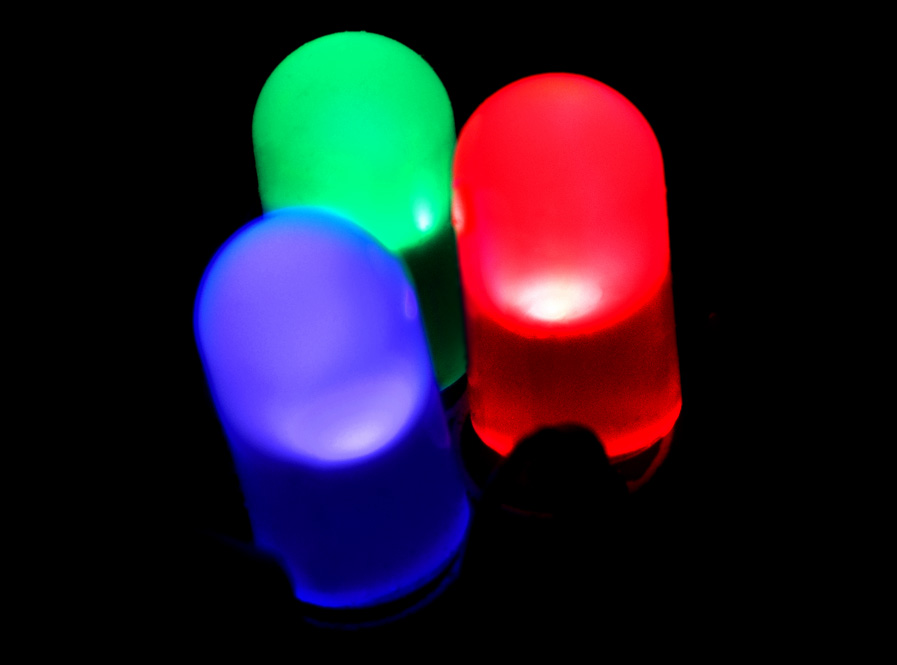
Light-emitting diode (LED) technology has revolutionized various fields, particularly in lighting and agriculture, due to its energy efficiency, longevity, and versatility. LEDs emit light when an electric current passes through a semiconductor material, making them significantly more efficient than traditional incandescent bulbs. They are available in various colors and can be tailored to emit specific wavelengths, which is particularly beneficial in horticulture where different light spectra can enhance plant growth and photosynthesis. Recent advancements have led to the development of high-luminance LEDs, allowing for compact designs and new applications such as dynamic beam steering. Moreover, LED grow lights are increasingly utilized in smart farming systems, where they not only provide optimal light conditions for plant growth but also facilitate data communication through visible light, creating a radio-frequency-free environment that promotes healthier crop yields.
LED lights, or Light Emitting Diodes, work by passing an electric current through a semiconductor material, which then emits light as a result of electroluminescence. When electrons move through the semiconductor, they recombine with holes (the absence of electrons) within the material, releasing energy in the form of photons, which are particles of light. The color of the emitted light depends on the energy band gap of the semiconductor used; for instance, different materials can produce red, green, blue, or white light.
LEDs are highly efficient compared to traditional incandescent bulbs because they convert a greater portion of electrical energy into light rather than heat.
High bay LED lights are known for their impressive lifespan, typically ranging from 50,000 to 100,000 hours, which significantly surpasses that of traditional lighting options such as metal halide or fluorescent lights, which often last between 10,000 to 20,000 hours. This extended lifespan is primarily due to the durability of LED technology, which is less prone to failure from vibrations and temperature fluctuations. Additionally, high bay LEDs maintain their brightness over time, reducing the need for frequent replacements and maintenance. As a result, they not only provide energy efficiency but also contribute to lower operational costs in commercial and industrial settings. The longevity of high bay LED lights makes them a cost-effective solution for warehouses, factories, and large retail spaces, where lighting is crucial for safety and productivity.
The lifespan of high bay LED lights is influenced by several factors: usage, environment, and maintenance. Usage patterns, such as frequent on-off cycling, can affect longevity, although LEDs are more resilient to this than traditional bulbs. Environmental conditions like temperature and humidity play a crucial role; excessive heat can shorten lifespan, while proper ventilation helps maintain optimal performance. Lastly, maintenance is vital; regular cleaning prevents dust buildup that can obstruct light output and cause overheating, thereby extending the lifespan of the lights.
The benefits of a longer lifespan for LED lights include significant cost savings due to reduced frequency of replacements, lower maintenance expenses, and enhanced energy efficiency, as they consume less power while providing the same or greater light output. This longevity also ensures greater reliability, minimizing the risk of failure and downtime in various applications. Additionally, fewer replacements lead to a positive environmental impact by reducing waste and lowering carbon emissions associated with manufacturing and transportation.
When comparing the lifespan of LED lights with other lighting options, LEDs significantly outperform both fluorescent and incandescent bulbs. LED lights typically last between 50,000 to 100,000 hours, far exceeding the lifespan of fluorescent bulbs, which range from 7,000 to 15,000 hours, and incandescent bulbs, which last only about 750 to 2,000 hours. This remarkable longevity means that while fluorescent and incandescent bulbs require frequent replacements, LEDs provide a more sustainable and cost-effective solution over time. The extended lifespan of LEDs not only reduces maintenance efforts and costs but also minimizes waste, making them a superior choice in terms of durability and environmental impact.


