Struggling with public LED lighting projects? Discover targeted solutions for cost, compatibility, and maintenance pain points faced by contractors and buyers worldwide.
Upgrading to public LED lighting delivers unmatched benefits in energy efficiency, longevity, and smart city integration. However, contractors, project managers, and procurement officers often face significant hurdles in implementation. This article addresses the core pain points for these key decision-makers and provides actionable, reliable solutions to ensure project success .
Key Pain Points & At-a-Glance Solutions
|
Pain Point Category
|
Specific Issues
|
Core Solution
|
|
High Initial Investment
|
Budget overruns, high upfront LED cost, client resistance.
|
EMC financing models, high-lumen-per-watt LEDs for faster ROI.
|
|
Technical Compatibility
|
Incompatible control systems, protocol mismatches, signal loss.
|
Multi-protocol adaptive drivers, customized fiber optic solutions.
|
|
Durability & Maintenance
|
High failure rates in harsh climates, complex & costly repairs.
|
IP66/IP68 & wide-temperature fixtures, modular design for easy service.
|
|
Environmental & Regulatory Compliance
|
Light pollution regulations, ecological impact, harsh weather.
|
Full-cutoff fixtures, amber spectrum LEDs, robust environmental ratings.
|
1、Pain Point: Managing Initial and Total Project Cost
The Challenge: Municipalities and project owners are under constant budget pressure. The initial investment for a large-scale LED lighting fixtures retrofit can be a major barrier, especially in developing regions. Furthermore, a low-bid approach can lead to inferior products that increase long-term operating costs.
The Solution:
- Adopt Energy Performance Contracting (EPC/EMC): Shift the upfront cost to a third-party energy service company. They finance the project and are paid back from the achieved energy savings, making the project cash-flow positive from day one.
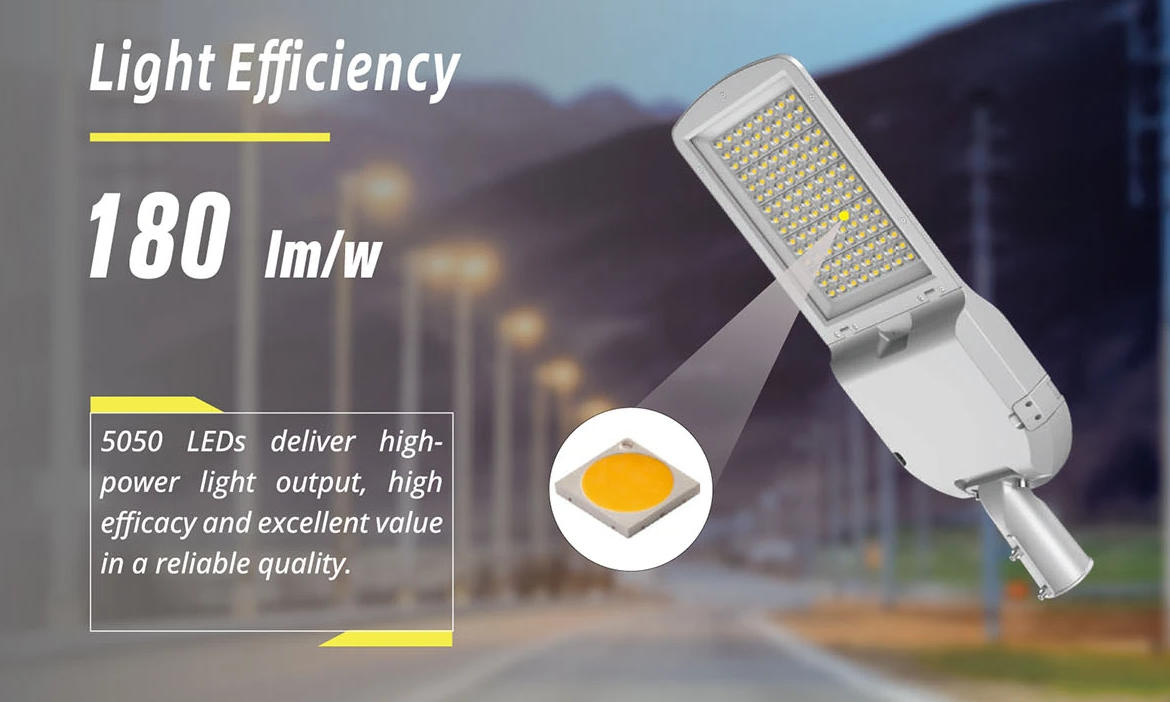
- Select LEDs for Total Cost of Ownership (TCO), Not Just Price: Prioritize luminaires with high luminous efficacy (140+ lm/W) and a long L70/B50 lifespan (50,000+ hours). This directly reduces electricity bills and future replacement labor costs.
- Integrate Solar Hybrid Systems: For off-grid areas or to maximize savings in sunny regions like the Middle East and Southeast Asia, LED street lights can eliminate grid energy costs entirely.
2、Pain Point: Technical Integration and System Compatibility
The Challenge: Contractors often discover that new LED luminaires are not compatible with existing lighting control systems (e.g., DALI, 0-10V, proprietary protocols). This leads to expensive system overhauls, project delays, and frustrated clients.
The Solution:
- Specify Multi-Protocol Drivers: Insist on LED drivers that can automatically detect and adapt to multiple control protocols. This future-proofs the investment and simplifies integration into both new and legacy systems.
- Demand Customizable Long-Distance Communication: For sprawling projects or intelligent street light networks, use LED systems with robust communication options. Customized fiber optic transceivers can ensure stable data transmission over distances exceeding 80 km, which is crucial for highway or large-scale urban projects.
3、Pain Point: Ensuring Reliability and Simplifying Maintenance
The Challenge: Failures in extreme weather—from desert heat to tropical humidity—are common. When a light fails, the maintenance process can be slow and expensive, involving traffic control, cherry pickers, and high labor costs.
The Solution:
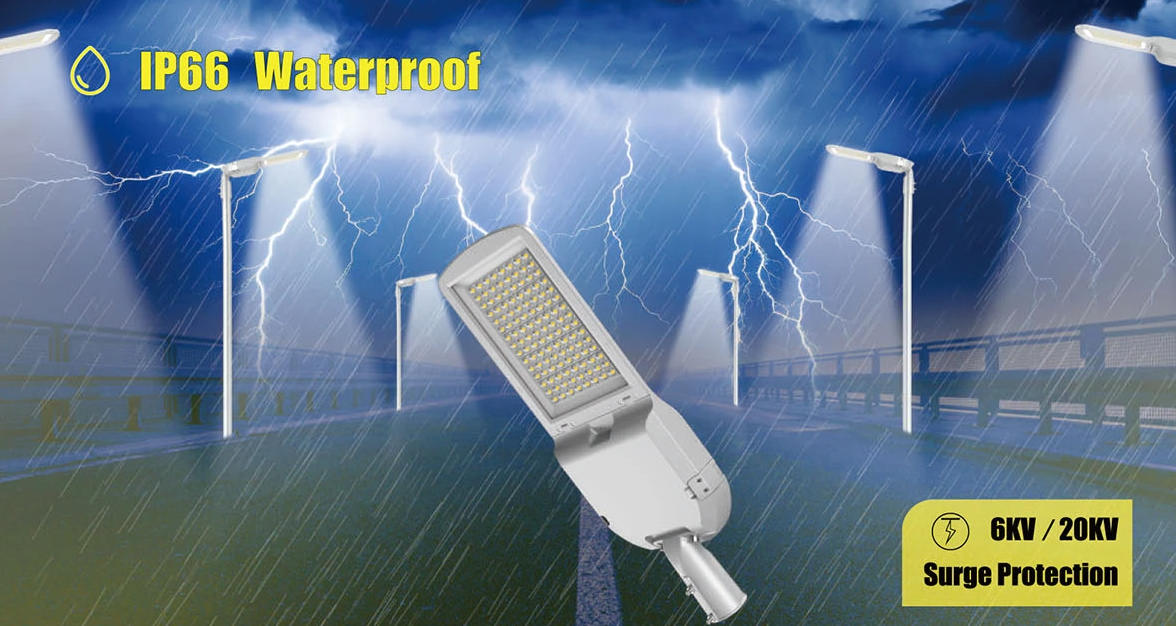
- Prioritize Superior Environmental Protection: Choose fixtures with a minimum IP66 rating for dust and water resistance. For coastal areas in the Middle East and Southeast Asia, corrosion-resistant materials (e.g., marine-grade aluminum) are non-negotiable.
- Demand Wide Operating Temperature Ranges: Ensure the LEDs and drivers are rated for temperatures from -30°C to 75°C to perform reliably in both freezing winters and scorching summers.
- Implement Smart Monitoring Systems: Use a central management system (CMS) that provides real-time alerts for individual light failures, allowing for proactive maintenance and drastically reducing downtime.
- Opt for Modular Designs: Fixtures with easily replaceable modules ( optics, drivers) allow for quick, ground-level repairs, eliminating the need to replace the entire luminaire.
4、Pain Point: Meeting Environmental and Regulatory Standards
The Challenge: Projects in Europe and other regulated markets face strict rules on light pollution and ecological impact. Glare complaints from residents and the harmful effects of blue-rich light on wildlife are growing concerns.
The Solution:
- Use Full-Cutoff (UPR ≤ 5%) and Shielded Fixtures: This design directs light downward onto the pavement, minimizing skyglow and preventing glare for drivers and residents.
- Specify Amber/PC Amber LEDs for Sensitive Areas: Near nature reserves, wetlands, or in astronomically sensitive regions, use LEDs with a correlated color temperature (CCT) of 2200K-3000K and a spectrum peaking at around 580nm. This significantly reduces the attraction to insects and mitigates ecological disruption.
- Implement Adaptive Dimming: Smart controls that allow for dimming during low-traffic hours not only save energy but also further reduce light pollution.
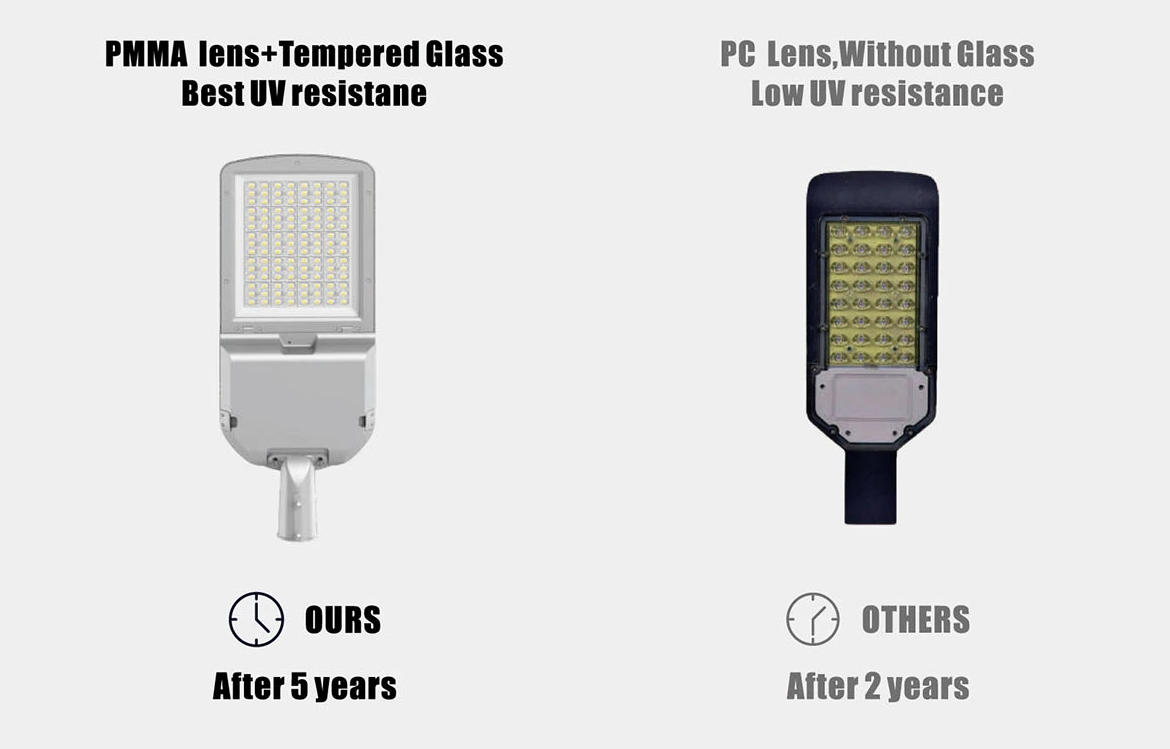
Contractors and project buyers can deliver projects that achieve energy savings of ≥60% and deliver a compelling Return on Investment (ROI) within 3-4 years. This builds a reputation for quality and enables the development of smarter, safer, and more sustainable communities worldwide.
Related Products:
https://www.unicornlite.com/products/commercial-street-lighting


