

2026-11-25
In food-processing plants, poultry houses, livestock buildings and other wash-down environments, lighting failure can affect visibility, maintenance access and daily work. A standard indoor batten may not be designed for repeated exposure to water, condensation, dust or cleaning chemicals. LED tri-proof lights provide a sealed linear format for applications that need dependable illumination and a fixture that is easier to clean and maintain.
An LED tri-proof light is a linear luminaire with a protected housing, diffuser and electrical assembly. It is commonly used in warehouses, workshops, parking structures, food facilities, agricultural buildings and other areas where a normal indoor fixture may be exposed to moisture or dust. The linear shape supports even distribution along aisles, corridors and production areas, while the sealed body helps protect the light source and driver from the surrounding environment.
Check the stated IP rating, impact protection, temperature range, materials, cable entry, mounting hardware and driver specification. Also confirm whether the rating applies to the complete installed product and whether the manufacturer provides installation requirements for cable glands, connectors and end caps.
Food-processing rooms and agricultural buildings often combine humidity, dust, organic material, cleaning routines and long operating hours. A luminaire may be exposed to condensation, airborne dust and direct water during scheduled washing. In poultry and livestock facilities, the fixture may also need to remain accessible for inspection while avoiding surfaces that collect unnecessary dirt.
Protected linear lighting can simplify the design of these spaces because it provides a continuous, cleanable form factor. It can be installed above access paths, working areas, storage zones and inspection routes. The final layout still needs to be checked against the task, mounting height, room dimensions and required uniformity. A sealed fixture does not replace a lighting calculation or good installation practice.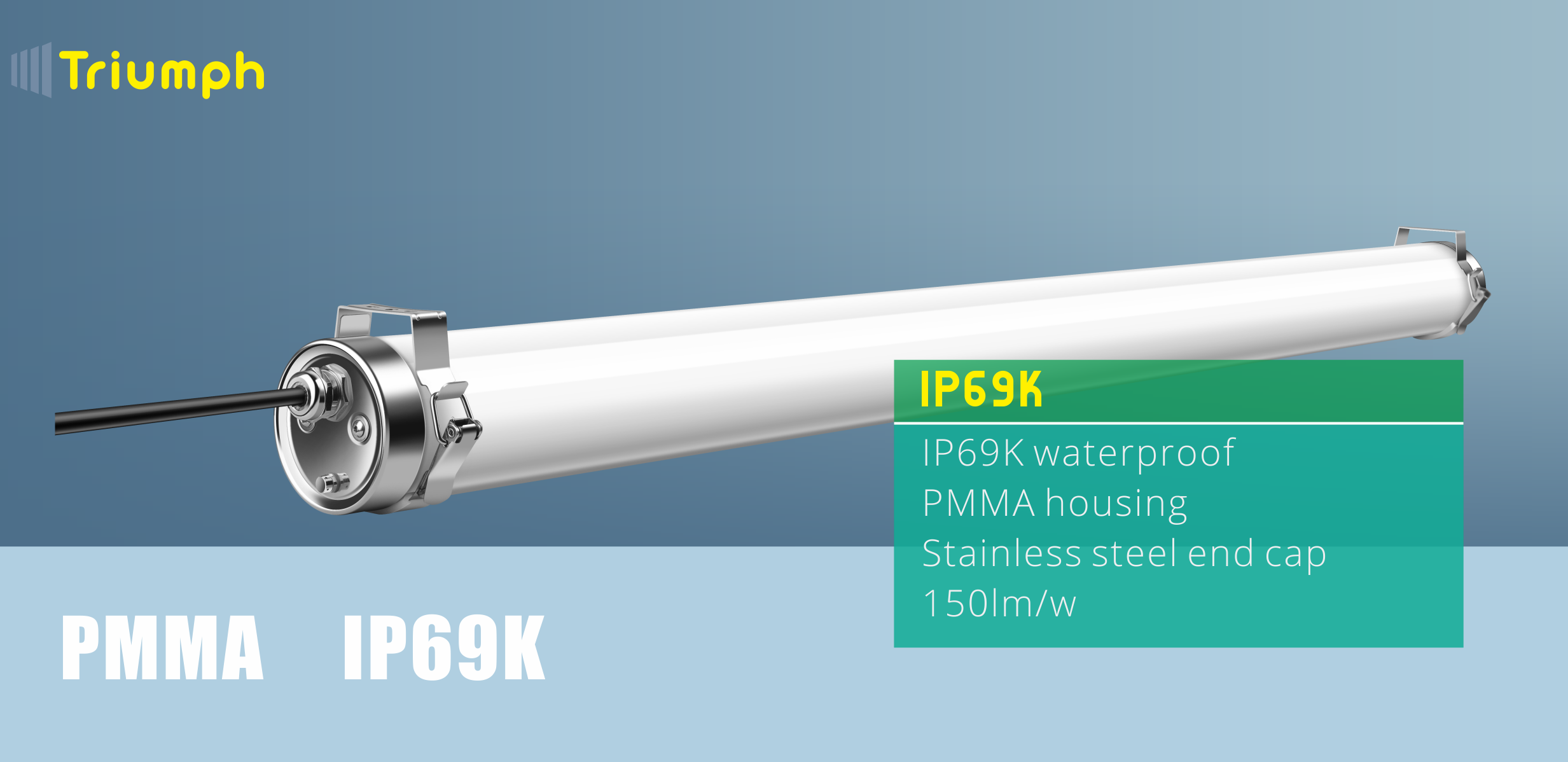
Start with the environment. Record humidity, dust, temperature, cleaning pressure, cleaning temperature and any chemical exposure. Next, define the work below the light. A corridor, packing line, animal-care area and inspection station may require different levels of visibility and different spacing. Confirm mounting height, ceiling structure, access for maintenance and the location of electrical connections.
Choose the light distribution after the room layout is understood. A narrow arrangement may suit a long aisle, while a wider distribution may be more useful in an open processing area. Avoid selecting fixtures only because they have a higher wattage. Excessive output can create glare and poor visual comfort, while insufficient spacing can leave dark areas between luminaires.
Colour temperature also affects the working environment. Neutral white light is often used where staff need clear visibility without an overly cold appearance, but the best choice depends on the process, surface colours and customer requirements. Confirm colour temperature and colour rendering before finalizing the order, especially when workers inspect products or materials.
The mounting method should keep the fixture secure, aligned and accessible for inspection. In areas exposed to water, cable routes and connection points deserve the same attention as the housing. Do not create a weak point by using unsuitable glands, leaving end caps loose or routing cables where they can be damaged during cleaning. Follow supplier installation instructions and local electrical requirements.
Maintenance planning should be part of the original layout. Leave enough access to replace a driver or complete fixture when necessary, and keep spare units identified by model and specification. A cleanable luminaire can reduce routine effort, but it still needs periodic inspection for diffuser damage, seal degradation, loose fixings and contamination around connection points.
A Netherlands chicken farm project shows how waterproof linear lighting can be applied in an agricultural building. The fixtures were installed through a long working area where consistent visibility and a protected luminaire format were important. The application demonstrates a practical use of IP69K tri-proof lighting in a facility exposed to agricultural dust, humidity and regular cleaning.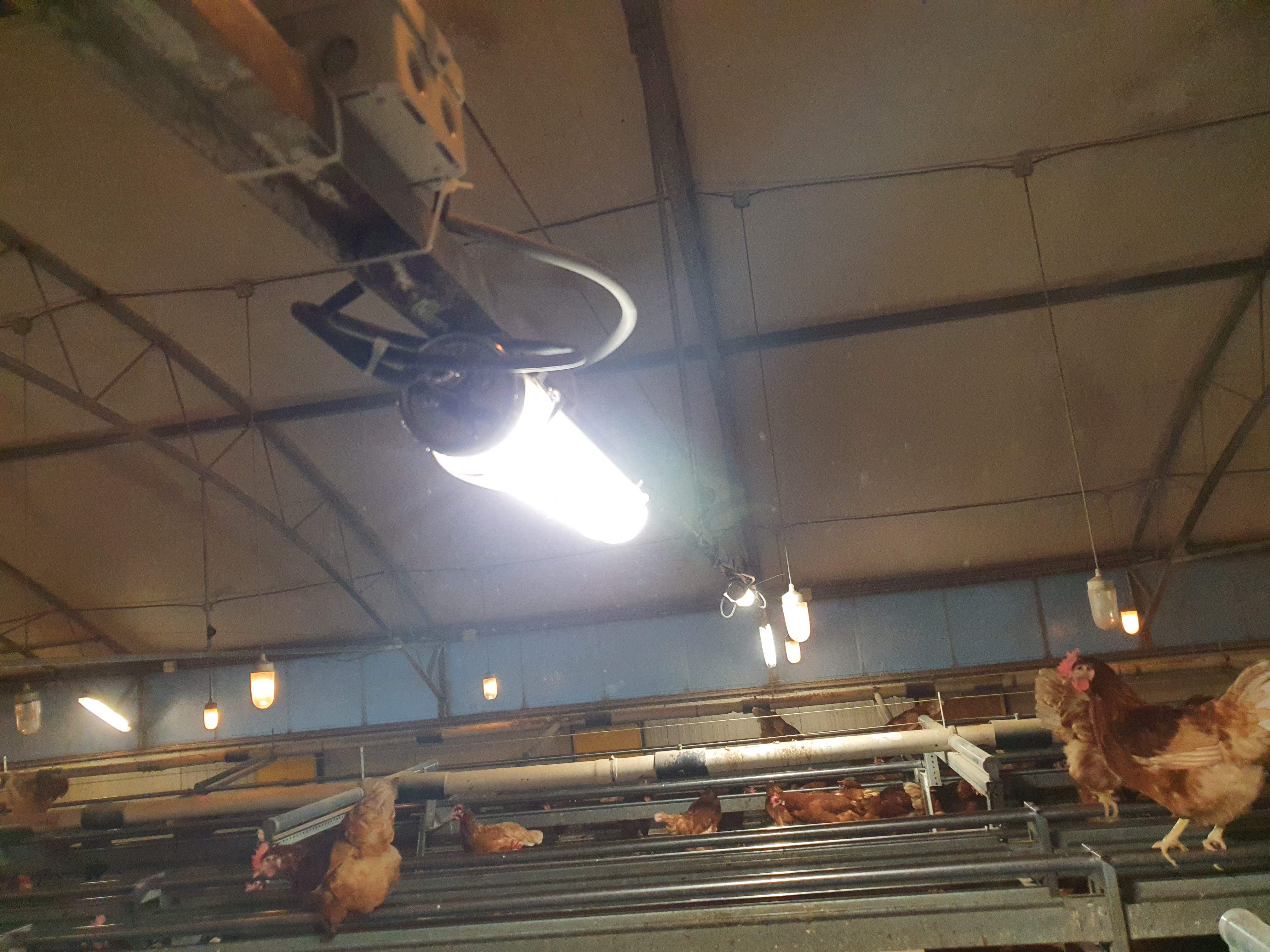
IP69K LED tri-proof lighting installed in a Netherlands chicken farm application.
If you are planning lighting for a poultry house, food-processing facility, livestock building, workshop or wash-down area, send the dimensions, mounting height, cleaning method and site photographs to Unicornlite. The project team can recommend a suitable waterproof linear lighting configuration and prepare the next step for review.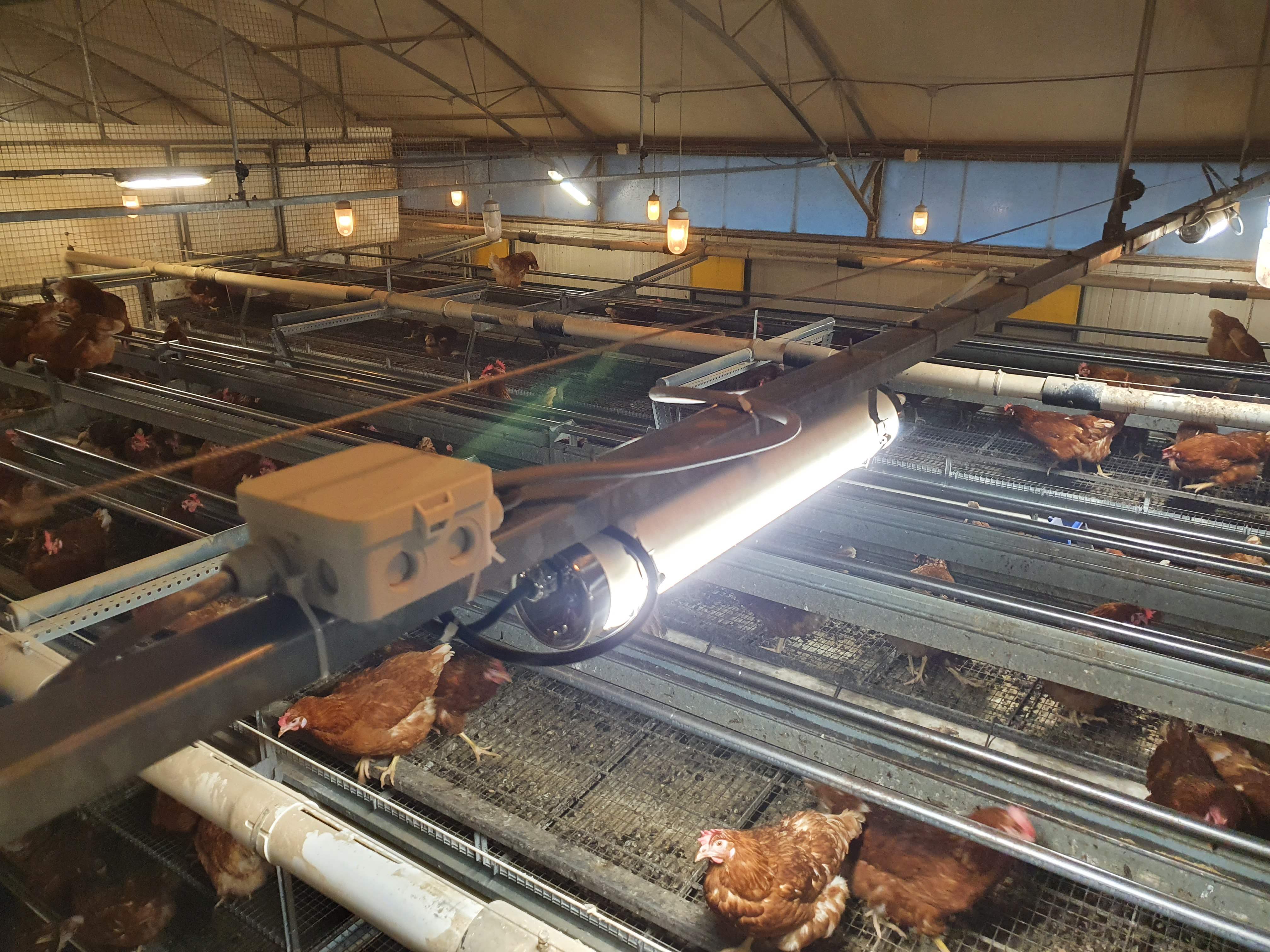
Linear waterproof lighting supporting visibility through an agricultural working area.
Are LED tri-proof lights suitable for poultry houses?
They can be suitable when the fixture protection, materials, installation method and cleaning routine match the building conditions. Confirm the complete product specification before ordering.
Is IP69K always better than IP65 or IP66?
Not automatically. IP69K is intended for more demanding wash-down conditions, but the correct choice depends on the actual cleaning method, temperature, chemicals, mounting and required service life.
What information is needed for a tri-proof lighting quotation?
Provide room dimensions, ceiling height, mounting surface, cleaning method, operating hours, existing fixture photos and the required working areas. This allows the supplier to recommend spacing and output based on the real application.
If you are planning lighting for a poultry house, food-processing facility, livestock building, workshop or wash-down area, send the dimensions, mounting height, cleaning method and site photographs to Unicornlite. You can request a fixture recommendation, a suitable mounting configuration and a project lighting layout for review.


